 Creator of JenneTastic®
A student asks for a pause during group work. While they step away, their classmates choose a topic, divide the materials and begin the next part of the task.
When the student returns, where do they start?
That question matters as much as where the pause happens. A classroom pause should leave a student with a place in the group, access to their materials and someone who can explain what they missed.
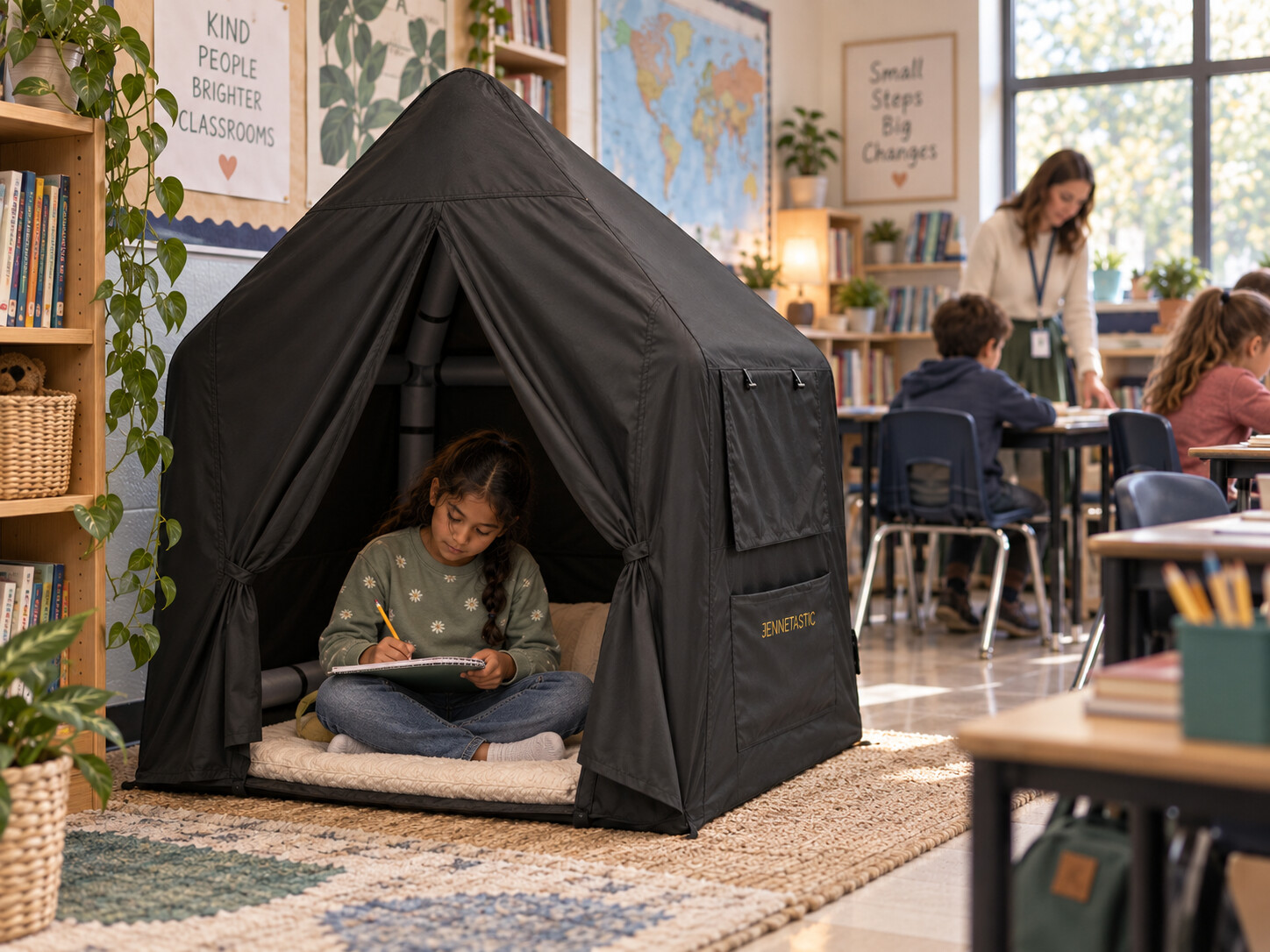
JenneTastic is a portable, inflatable sensory tent that can provide a defined indoor space for a voluntary, supervised pause. In a classroom, it can be prepared when appropriate and packed away when the room is needed for another activity.
The following classroom examples show how teachers can connect that space to the lesson: from a discreet request to a supported return.
In this article
Asking Without Becoming the Centre of Attention
Keeping Their Place in Group Work
A Pause During a Classroom Project
When the Class Moves Elsewhere
Answering Classmates’ Questions
Staying Consistent Across Lessons and Staff
What to Discuss With the Student and Family
Before Introducing JenneTastic at School
A Pause That Keeps the Student Included
Asking Without Becoming the Centre of Attention
Some students are comfortable asking aloud. Others would rather avoid drawing attention to themselves during a lesson.
Agree on a request the student can use easily. It could be a familiar gesture, a card placed on the desk or a message through their usual communication device. Choose something the responsible adult can notice during the activities when it may be needed.
A request card, for example, needs an agreed place. If it disappears beneath worksheets or faces away from the teacher, the student may be asking without anyone realizing it.
Decide how the adult will acknowledge the request. A quiet reply or familiar signal lets the student know they have been heard. They should not have to keep repeating themselves or explain personal information across the room.
There will be times when JenneTastic cannot be offered with constant adult supervision. Respond to the request anyway and explain what support is available. “I hear you. Let’s work out where you can pause with me” gives the student an answer without promising an arrangement the class cannot provide.
Keep the request separate from permission to feel uncomfortable. A student may have difficulty explaining what is bothering them while a lesson is underway. That conversation can happen later.
Keeping Their Place in Group Work
Group activities move quickly. One student writes, another gathers materials and someone else decides which idea the group will use.
Before a student steps away, preserve what they need to rejoin. Keep their work with the group and make sure their seat or working place remains available. Avoid letting the pause quietly become their removal from the task.
The teacher can give classmates a simple instruction:
“Keep those cards together. Everyone will need them for the next part.”
No explanation of the student’s personal circumstances is necessary.
When the student returns, tell them what changed. “They’ve chosen the animal for the poster; now you’re deciding what to write about it” provides a starting point. “Just join in” leaves them to reconstruct the activity alone.
Their original role may still be available. If the group has moved beyond it, help them find a meaningful contribution to the current task. They should not automatically be left with clearing up because the more interesting decisions happened while they were away.
A Pause During a Classroom Project
Consider this imagined example.
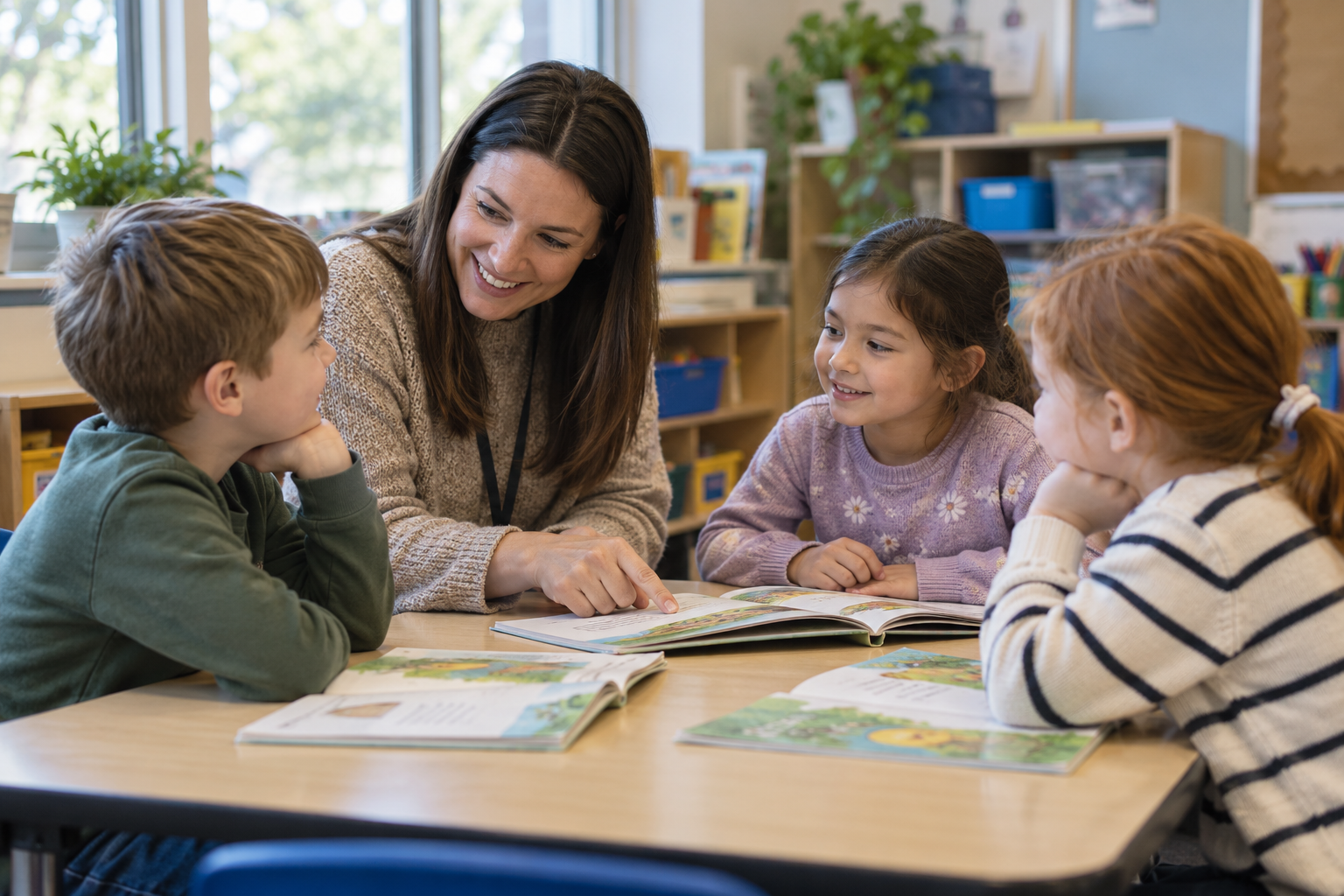
A class is making posters about local wildlife. Each group has photographs, paper and a short list of questions. The room becomes lively as students compare pictures and discuss their choices.
One student uses their agreed signal to request a pause. An adult who can provide constant supervision acknowledges them and accompanies them to JenneTastic.
The teacher leaves the student’s materials with their group. The group continues choosing photographs, and the student’s place at the table remains clear.
During the pause, the student is not expected to complete a worksheet or explain their request. When they indicate they are ready to return, the adult checks where the group has reached.
“They’ve picked three photographs. They’re writing the captions now. You can help choose the words for this one.”
The adult walks back with the student and points out the relevant picture. A classmate shows the caption they have started, and the student adds an idea.
Nobody asks the student to tell the group why they needed a pause. They return to a specific piece of work with the information needed to take part.
If they are not ready to return when the group changes tasks, staff respond through the student’s agreed support arrangements. The end of a classroom activity does not justify forcing a child to remain in, or leave, the tent without appropriate support.
Returning to Independent Work
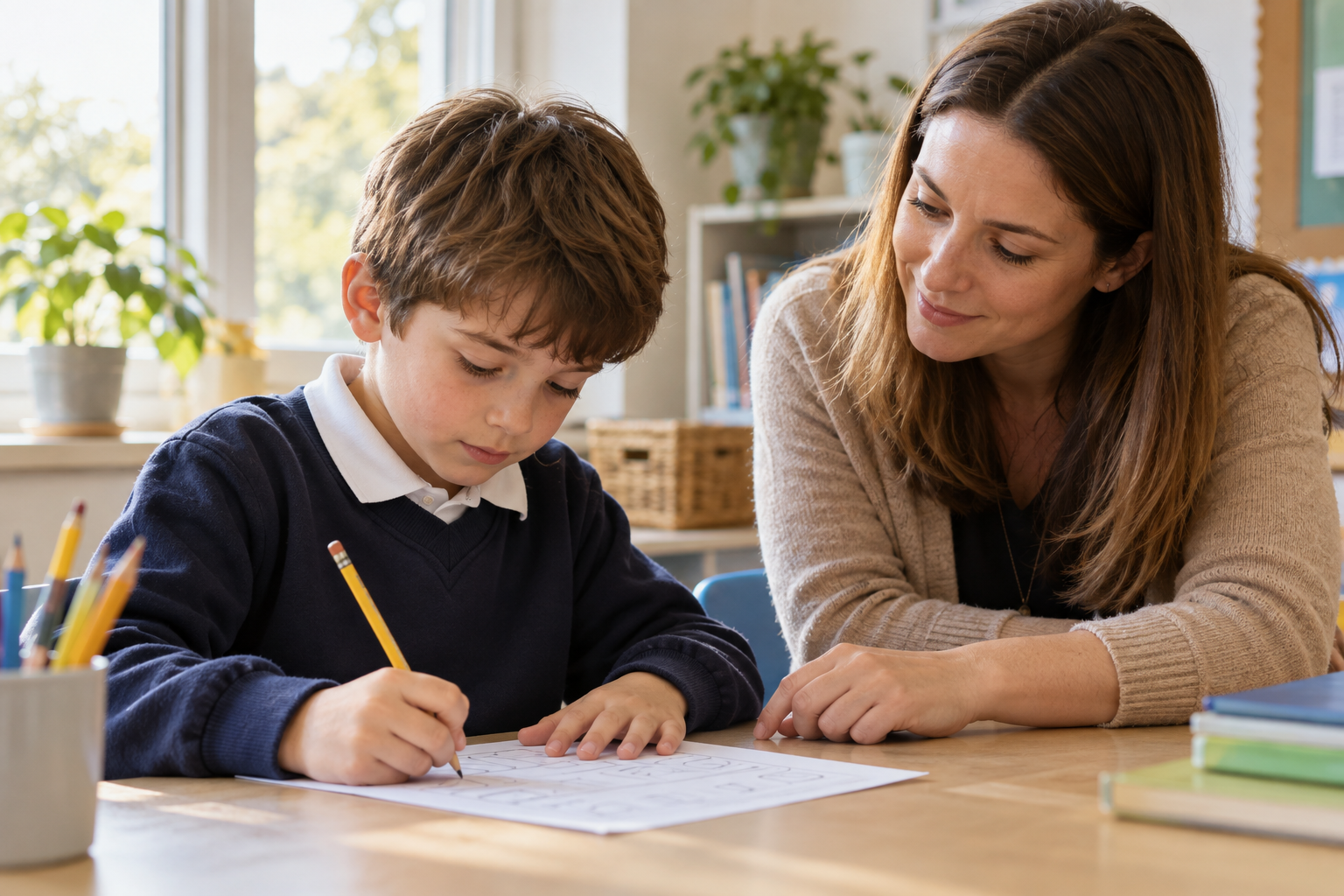
Independent work presents a different challenge. A student may return to the same page but have missed a demonstration or an explanation of what to do next.
Start by finding the last part they understood. You might ask them to show you where they reached, then explain the next step beside their desk.
For a writing task, that could be:
“You’ve chosen your topic. We’re writing the opening sentence now. Let’s look at your first idea.”
For a maths activity:
“We practised one example together. I’ll show you that example before you try the next question.”
Keep the explanation focused. Repeating every instruction at once can make the return feel like a second lesson delivered at speed.
The teacher can decide which part of the work is essential and what assistance the student needs. Avoid automatically treating every missed minute as work to be added to recess or the end of the day. A pause arrangement should not create a predictable penalty for using it.
If the student repeatedly misses the same important explanation, consider when and how that instruction is delivered. The answer may be a brief individual explanation or a reference they can revisit.
When the Class Moves Elsewhere
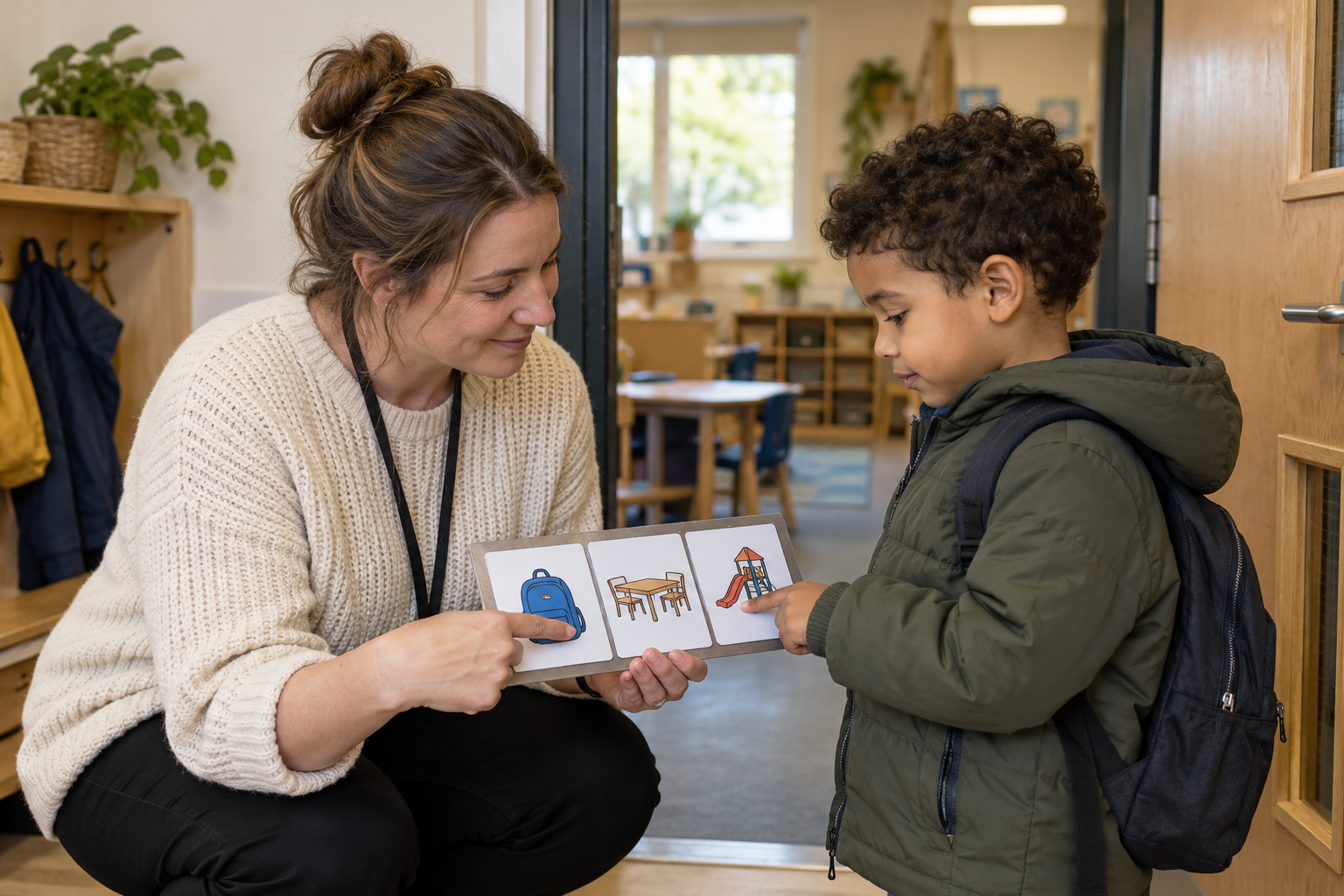
Returning to a table is one thing. Returning while everyone is leaving for the library, gym or lunch requires different information.
Tell the student where the class is going and what they need:
“We’re going to the library. Your library book is on your desk, and I’ll help you collect it.”
Check that the message has reached them. An announcement made to the whole room may not have been understood during their pause.
The adults also need to know who remains with the student if the class leaves first. Do not leave that decision until the last child is at the door.
Before an unusual event, such as an assembly or visiting presentation, explain any change to the normal arrangement. A tent available in the classroom does not establish what support will be available in the gym.
Use the student’s familiar schedule or communication method to show those changes. Keep the explanation about the actual event: where they will go, which adult will be available and how they can ask for assistance.
Answering Classmates’ Questions
A new tent will attract curiosity. Explain its purpose before students build their own stories around it.
“This is a space someone can choose for a pause when an adult can supervise. We keep the opening clear and let them have that time.”
Students need to know what to do around it. They should not gather at the entrance, call through the opening or try to turn its use into a game.
If a classmate asks why one student uses it more often, give a general answer:
“People can have different arrangements to help them take part in the school day.”
You do not need to share a diagnosis, a family conversation or details from an individual plan.
Adults should manage questions and interruptions. The student taking a pause should not have to explain themselves to classmates or enforce rules at the opening.
When they return, an ordinary welcome is usually more appropriate than a public celebration. Offer help with the activity without making the pause the subject of everyone’s attention.
Staying Consistent Across Lessons and Staff
The classroom arrangement needs to make sense when another adult teaches the lesson.
Give replacement staff the essential information: how the student asks, who can supervise, how they indicate they are finished and what help they may need to return. Include where the product guide is kept.
A short, useful note might say:
“The student uses their usual pause card. Offer JenneTastic only when constant adult supervision is available. Keep their lesson materials in place and explain the current task when they return.”
Add individual details through the school’s normal staff processes. Where an education or support plan applies, coordinate the arrangement with the people responsible for it.
Consistency does not mean every pause has the same length or outcome. It means adults respond to the same request with a shared understanding of what the space is for.
JenneTastic should not be offered as a voluntary pause in one lesson and used as a consequence in another. Keep it separate from unfinished-work sanctions, discipline and demands that a student stay until they appear calm.
What to Discuss With the Student and Family
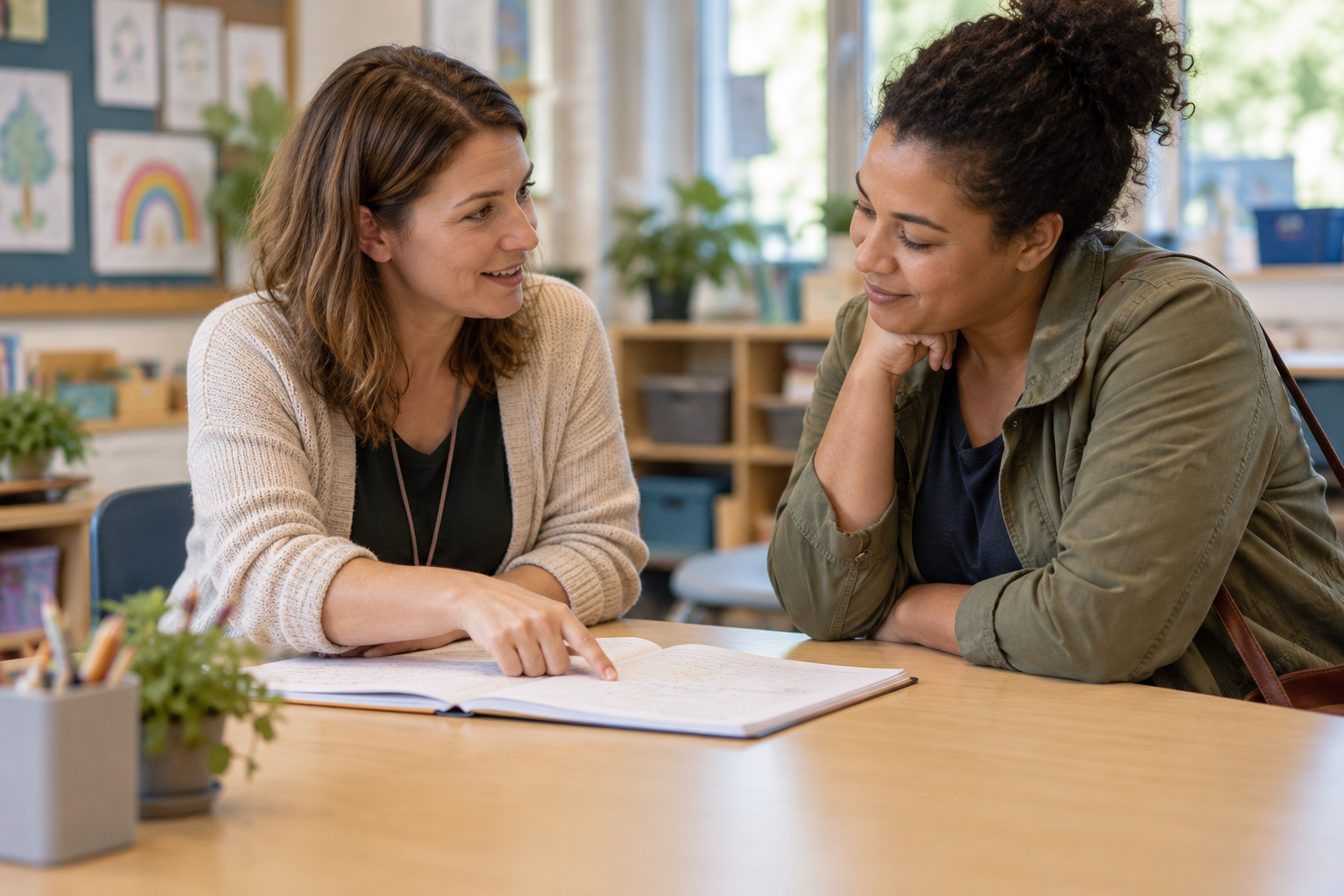
Ask about the parts of the school experience that need coordination.
Can the student make their request during a demonstration? Do they know whom to approach when their usual teacher is away? Is returning to group work comfortable, or do they feel unsure about what happened?
A family may be able to explain a gesture or phrase the student uses. The student may have a preference about how an adult acknowledges them. Bring those details into the classroom arrangement without assuming that home and school should work identically.
When sharing information, describe what happened:
“They requested a pause during the project and returned to help write the captions.”
That is more informative than “The tent worked.” It tells the family how the student participated without claiming that the product caused a particular result.
If a difficulty continues, identify it precisely. “They could not find their materials when they returned” points to something staff can fix. It does not require changing the whole arrangement.
Before Introducing JenneTastic at School
Confirm that the intended use meets the school’s requirements for equipment, room access and supervision. Decide who will prepare, inspect, clean and store the kit.
JenneTastic is recommended for children aged three and older, with constant adult supervision. It is intended for temporary indoor use while awake, not sleep or active play. An adult operates the pump.
Keep the entrance and exit unobstructed. Never prevent a student from leaving or use the tent as punishment.
Read the current FAQ and user guide for the complete placement, setup and care instructions.
JenneTastic provides a space for a voluntary pause. It is not a treatment and does not guarantee improved concentration, behaviour or learning.
A Pause That Keeps the Student Included
Before offering JenneTastic during a lesson, know how the student will ask, which adult can supervise and how they will reconnect with the activity. Keep their materials available and give them a clear starting point when they return.
For schools considering the tent, explore JenneDesign’s information for schools, then view the JenneTastic kit and ordering options.