 Creator of JenneTastic®
At a family gathering, your child has been playing happily with their cousins. Then more guests arrive. Music starts in the kitchen. Someone turns up the television so they can hear it over the conversation.
Your child comes over and takes your hand.
“Can we go somewhere else?”
They may still want to be at the gathering. They may simply want a break from everything happening around them.
A place to pause gives you somewhere to go together. With JenneTastic, families can prepare a recognizable indoor space where a child can step away from a busy activity, open a favourite book or spend a quieter moment with an adult nearby.
To make that space useful, start with what your child is telling you.

In this article
What Does “Sensory Needs” Mean?
Noticing When Your Child Wants a Break
How JenneTastic Can Fit Into Family Life
Introducing the Tent on an Ordinary Day
Choosing What Goes Into the Space
Finding Out Whether It Suits Your Child
Preparing for the Next Busy Occasion
What Does “Sensory Needs” Mean?
Think about the last time you turned down the radio to concentrate, changed out of an uncomfortable shirt or left a crowded room for a few minutes. You noticed something about your surroundings and adjusted it.
Children experience those differences too. They may enjoy some sounds, textures and movements while finding others uncomfortable. Their preferences can also be difficult to explain, especially when several things are happening at once.
Sensory processing is how we receive and respond to information from our bodies and surroundings. It involves the familiar senses—sight, sound, touch, taste and smell—as well as movement, body position and internal sensations such as hunger. The NHS introduction to sensory differences offers an accessible explanation.
In daily life, you might notice that your child likes visiting relatives but asks to leave when the room fills up. They may enjoy music they choose themselves yet dislike several people talking over one another. A lively game might be welcome in the afternoon and feel like too much later that evening.
A request for a break does not explain the whole situation. Your child could also be tired, hungry, worried about something or unsure what is happening next. Ask a simple question when they can answer, and pay attention to the circumstances.
“Is it too loud here?”
“Would you like to sit with me somewhere quieter?”
Their answer can help you decide what to offer.
Noticing When Your Child Wants a Break
Some children ask directly. Others move closer to a parent, cover their ears, stop joining in or point towards the door. These actions are reasons to check in, rather than proof of a particular sensory difficulty.
Look for patterns in ordinary situations. Does your child ask to step away when the television and conversation overlap? Is the crowded entrance the difficult part of a visit? Do they want a pause after an activity they otherwise enjoy?
Be specific about what you notice. “They asked to leave when everyone started singing” tells you more than “They cannot handle parties.” It also leaves room for the parts of the occasion they liked.
You can ask about the experience later, when your child is ready to talk. Try “What bothered you?” or “What would you like us to do next time?” Avoid turning the conversation into a long interview.
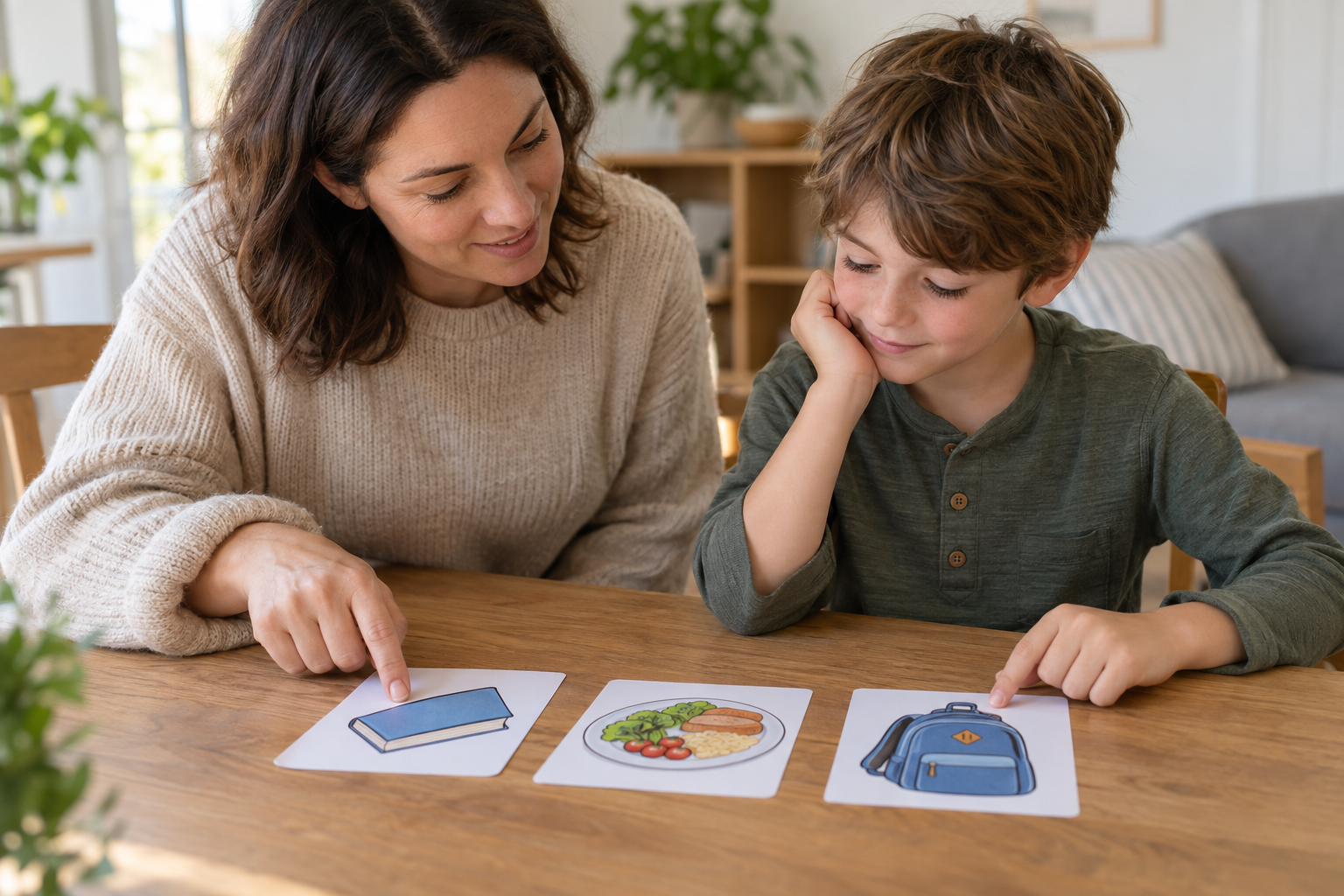
Children who use gestures, pictures or a communication device need access to those methods throughout the pause. If your child uses a symbol for “help” or “finished,” keep it available. A familiar way to communicate matters more than finding a new phrase for the occasion.
How JenneTastic Can Fit Into Family Life
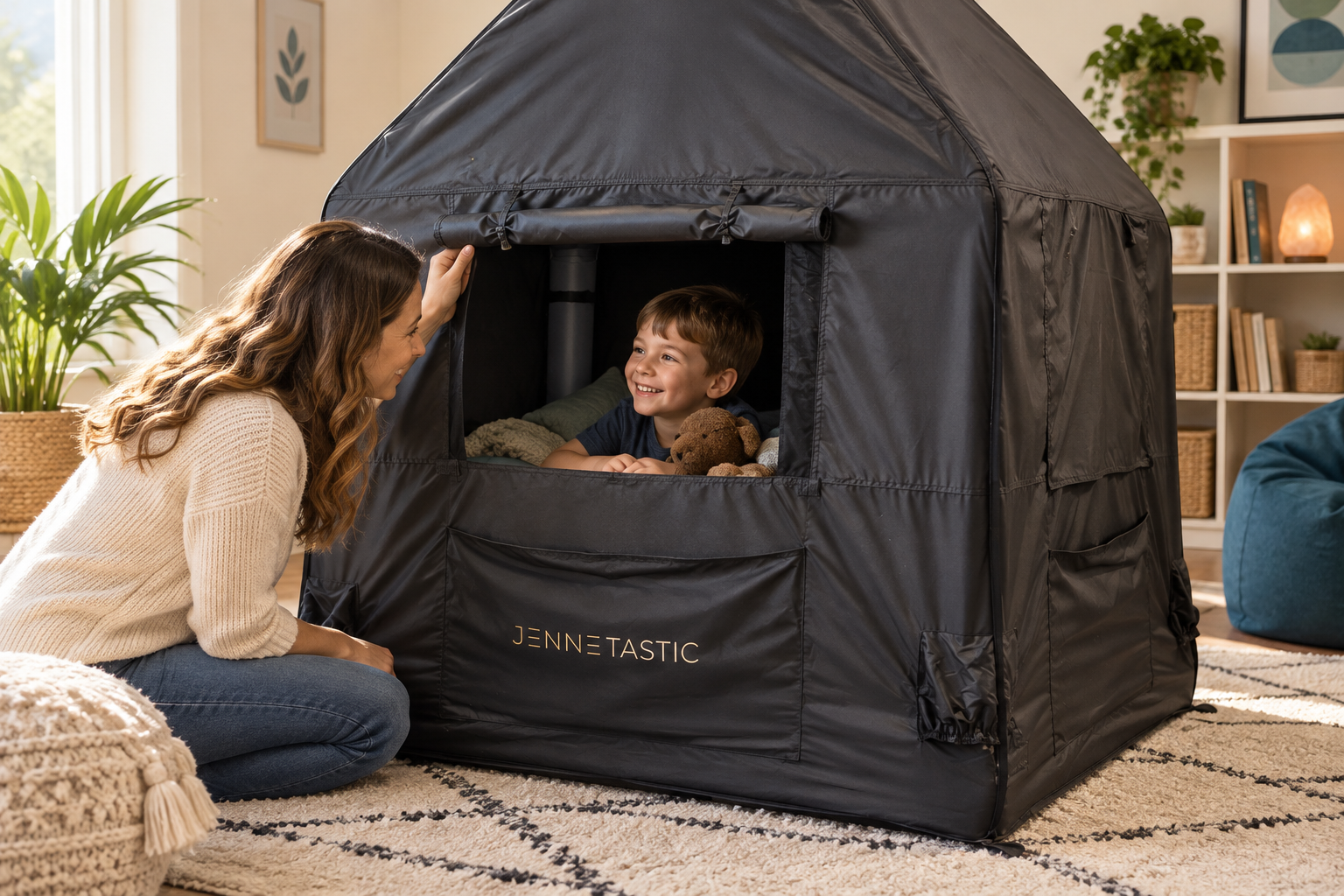
JenneTastic is JenneDesign’s portable, inflatable sensory tent. The kit includes the tent, a manual pump, a carrying bag and a bilingual guide.
Its portability can suit families whose rooms serve several purposes. Your living room might be used for play, homework, conversation and television. You may have room for a temporary pause space without wanting a permanent setup there.
It can also be considered when visiting family, provided the host has a suitable indoor location. Packing the kit lets you bring a familiar space rather than deciding where to go only after your child asks for a break.
The tent defines a place for a pause; its location still matters. Setting it beside a loud television will not make that part of the room quiet. Choose the surrounding conditions as carefully as you choose the space itself.
JenneTastic is recommended for children aged three and older, with constant adult supervision. It is intended for temporary indoor use while awake, not sleep or active play. An adult operates the pump. Keep the entrance and exit unobstructed, and never prevent a child from leaving or use the tent as punishment.
Read the current FAQ and user guide before setup, including the instructions for placement, inspection, cleaning and storage.
JenneTastic provides a space for a voluntary pause. It is not a treatment and does not guarantee that a child will feel calmer.
Introducing the Tent on an Ordinary Day
Choose a time when your child can look at JenneTastic without also having to cope with a busy gathering or an unfamiliar room.
Prepare it according to the guide, then show them the opening and explain how they can enter and leave. Keep the explanation short:
“This is a place you can use when you want a pause. I’ll be here.”
Let them look around. They might bring over a book, ask you to sit nearby or spend a moment inside before moving on. If they are hesitant, you can leave the introduction for another day.
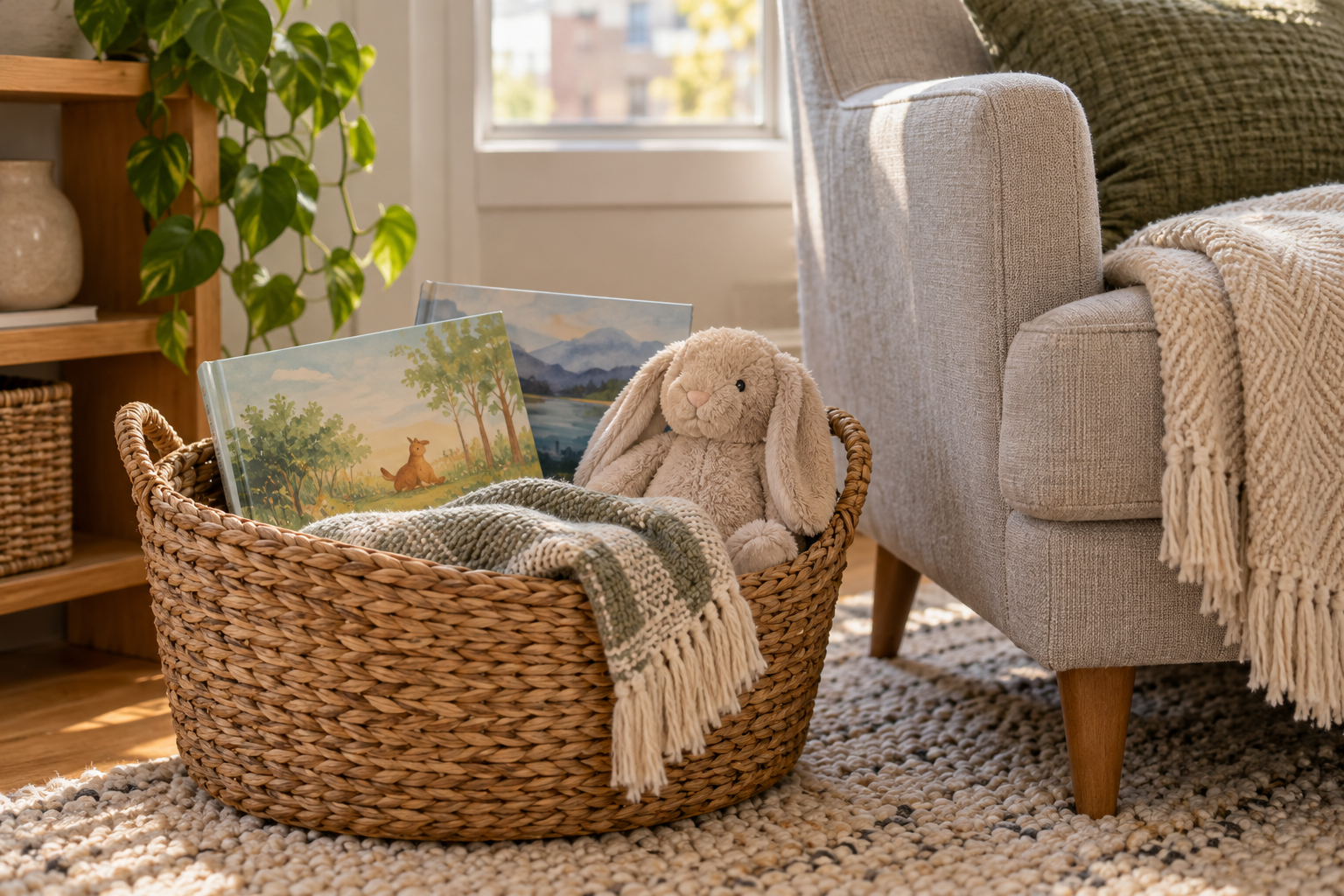
A favourite picture book gives you an easy way to spend time together around the new space. You might look at a few pages while your child explores. Avoid adding several unfamiliar objects at once; that makes it harder to tell what they actually enjoy.
Ask where they would like you to sit, within an arrangement that allows constant supervision. Show them that they can call you, ask for their book or say they are finished.
This first introduction also lets you check the practical details. Can you supervise comfortably from the position you have chosen? Is the opening clear? Can your child reach their usual communication aid? Does the location work while other family members use the room?
Make those adjustments before relying on the setup during a busier occasion.
A Pause During a Family Visit
Consider this imagined example.
Before a visit to their grandparents, a parent asks whether there is a suitable indoor place to prepare JenneTastic. They agree on a location away from the main walkway, with room for the parent to remain nearby.
The child already knows the tent. When they arrive, the parent shows them where it is and where their favourite book has been placed.
Later, the kitchen fills with conversation while the cousins play in the adjoining room. The child approaches their parent and asks to go somewhere else.
“Would you like to take your book to JenneTastic?”
The child says yes, and they walk over together. The parent stays close while the child looks through the book. They do not ask for an explanation of everything that happened in the kitchen.
After a few pages, the child points to a picture. They talk about it. Then the child puts the book down and says they are finished.
“Your cousins are building at the table. Would you like to see?”
The child chooses to join them.
On another visit, they might choose a quieter activity instead. The parent can explain which options are available without making returning to the busiest part of the gathering a condition of taking a pause.
Planning ahead made this arrangement possible. The location was ready, the child recognized it, and the parent could step away from their own conversation to supervise. Bringing the tent alone would not have settled those details.
Choosing What Goes Into the Space
Start with what your child already likes to use during a quiet moment. That might be one book, rather than a basket of new activities.
Ask before adding something. A child who wants a break from conversation may not want a story read aloud. Another may specifically want you to read to them. Offer the familiar activity, then follow their response.
You can also offer a pause without an activity. Sitting for a moment does not need to become another task to finish.
Consider the room at the time you expect to use it. A location that works on a quiet morning may become a route between the kitchen and dining room when guests arrive. Check whether other people will pass close by and whether a supervising adult can stay in position without blocking access.
At home, think about when the space would actually be available. If an adult is cooking or caring for another child, arrange who will supervise before offering the tent. A simple setup that your household can manage is easier to use consistently.
For a closer look at choosing a home location, see Creating a Calm Corner at Home.
Finding Out Whether It Suits Your Child

After a few opportunities to use JenneTastic, ask about the details your child can describe.
Did they like the location? Would they prefer a different book? Was the television still bothering them? Did they want you closer?
Change one practical detail when possible. Moving the setup to a more suitable location is easier to assess than changing the location, activity and routine together.
Your child may also decline the tent. Respect that answer and ask what they would prefer within the options you can safely provide. A product can be available without becoming compulsory.
If other caregivers will offer JenneTastic, explain the setup and supervision instructions and your child’s usual way of asking for help or finishing. Tell them what your child has actually chosen so far, rather than assuming every pause should look the same.
When sensory discomfort regularly interferes with daily activities, discuss specific examples with an occupational therapist or another appropriate professional. Your child’s account, the circumstances and what you have tried can help make that conversation more useful.
Preparing for the Next Busy Occasion
Before your next family visit or gathering, choose the location, arrange supervision and show your child what will be available. Check the guide and prepare the kit before the room becomes busy.
Then, when your child takes your hand and asks for a break, you can offer a familiar place to go together.
Explore the JenneTastic kit and ordering options to see whether a portable pause space would suit your family.