 Creator of JenneTastic®
The living room has several jobs. It is where the children play, where someone folds laundry and where the family gathers after dinner. There may be room for a quiet pause, but leaving a permanent setup in the middle of it is another matter.
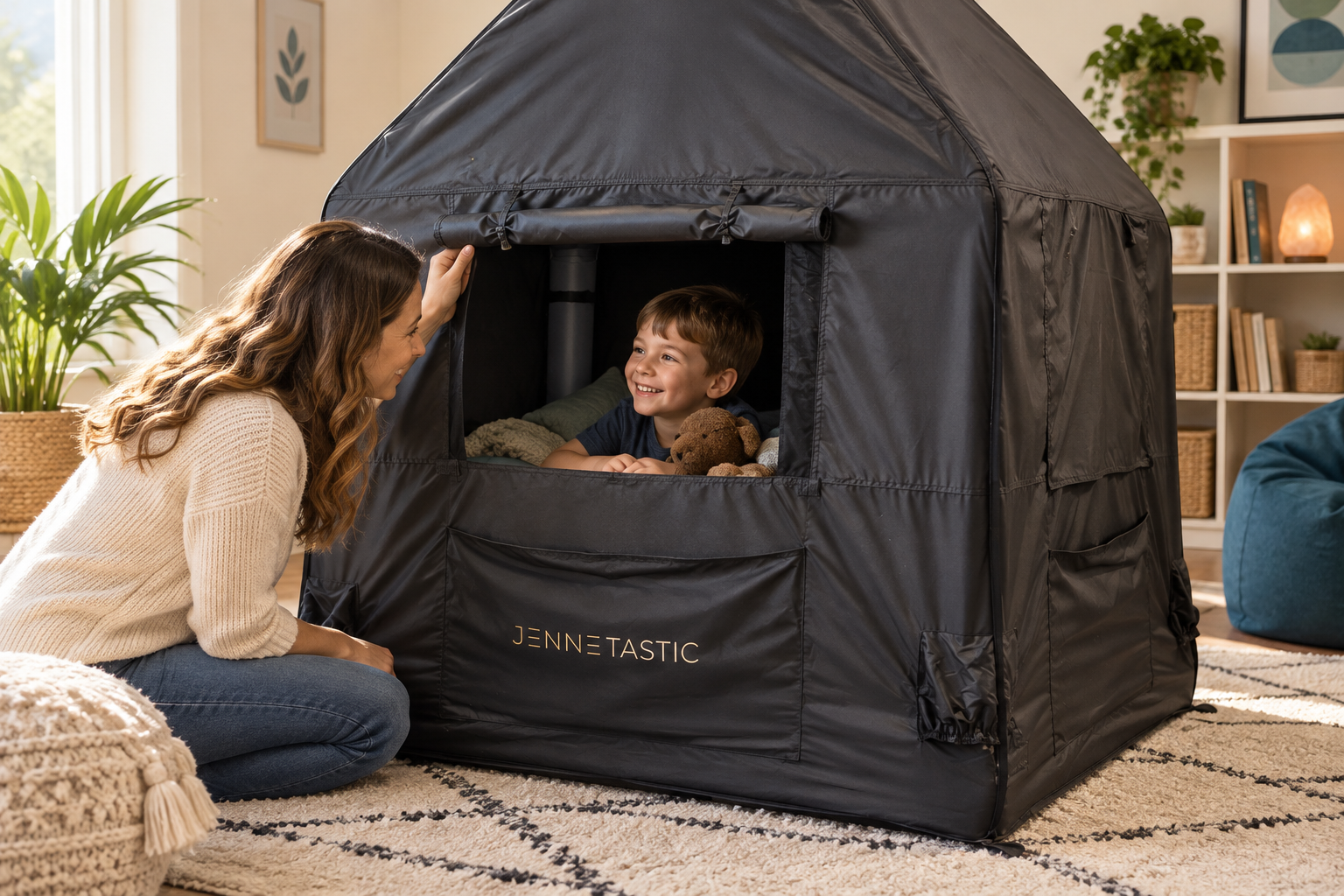
JenneTastic gives families a portable option. This inflatable sensory tent can be prepared for a supervised indoor pause and packed away when the room is needed for something else.
Using it at home involves a few everyday decisions: when to prepare it, how to share the room with siblings, which adult will supervise and where the kit goes afterwards. Getting those details right makes it easier to offer the space without adding confusion to an already busy household.
In this article
A Place in the Day, Without Taking Over the Room
What an After-School Afternoon Could Look Like
Sharing the Space With Siblings
Let Other Family Members Know the Household Plan
Give Packing Away Its Own Time
Keep Pauses Separate From Household Bargaining
The Essential Use Instructions
A Home Routine You Can Maintain
A Place in the Day, Without Taking Over the Room
You may already know when your child would welcome a pause. Perhaps they ask for some space after school, or they like a quiet stretch while a sibling plays nearby on Saturday afternoon.
Choose a time your household can accommodate. An after-school arrangement might work on days when one parent gets home early. A weekend afternoon may be easier if weekdays involve pickups, dinner preparation and activities.
The tent does not need to be prepared every day to have a useful place in family life. You can make it available during the times when an adult can supervise and the room can accommodate it.
Explain that availability plainly. “We can prepare JenneTastic after lunch today” is a promise you can plan around. Avoid telling your child it will always be ready if that is unlikely to be true.
Consider the room’s other jobs as well. If the living room becomes the family’s exercise area in the evening, allow time to put the tent away beforehand. If the only suitable location is needed for another activity, choose a different time rather than trying to fit both uses into the same space.
For help with the physical arrangement, see Creating a Calm Corner at Home. Once you have an appropriate location, you can work out how it fits the household’s schedule.
What an After-School Afternoon Could Look Like
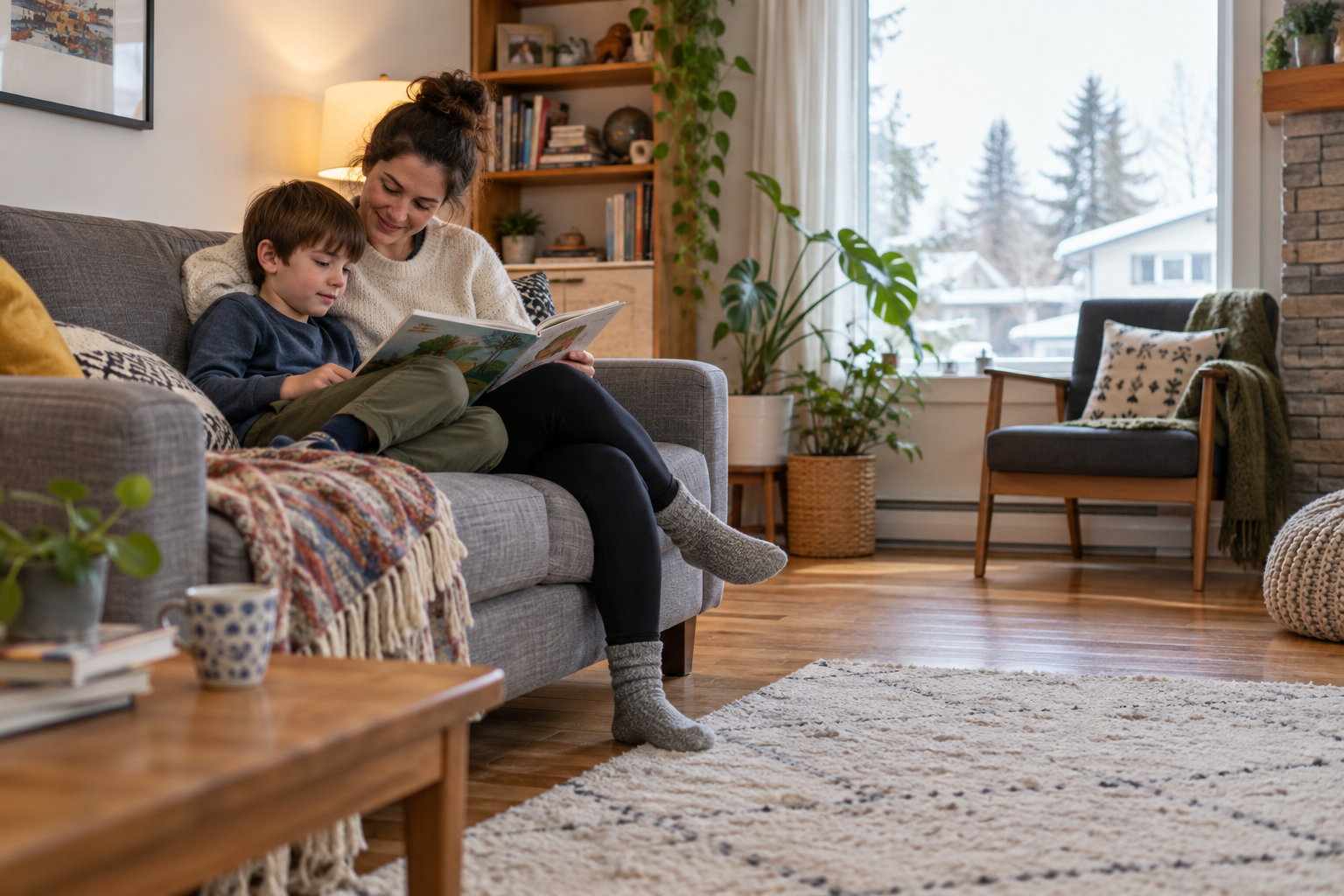
Here is an imagined example of a family using JenneTastic at home.
On Tuesdays, one parent is home before the school pickup. They have time to prepare the tent according to the guide and check it before the children arrive.
The younger child often wants to read after school. Their older sibling prefers to start a building project at the table. Both activities can take place in the living room, with the parent nearby.
When they arrive, school bags and outdoor clothes go in their usual places. The younger child chooses to take a book into JenneTastic. The older child gets out their building materials.
The parent has already finished the kitchen task that would have required their attention. They can now remain with the children and provide constant supervision.
Later, the younger child finishes reading. The book goes back on the shelf, and both children join the parent for a snack. When there is an appropriate opportunity, the adult cares for and packs the tent according to the guide.
Thursday looks different. There is a pickup followed by an appointment, so the family does not prepare JenneTastic that afternoon. The parent tells the children about the appointment before they leave for school.
The Tuesday arrangement works because it fits that day. Trying to reproduce it on Thursday would leave everyone watching the clock.
Sharing the Space With Siblings
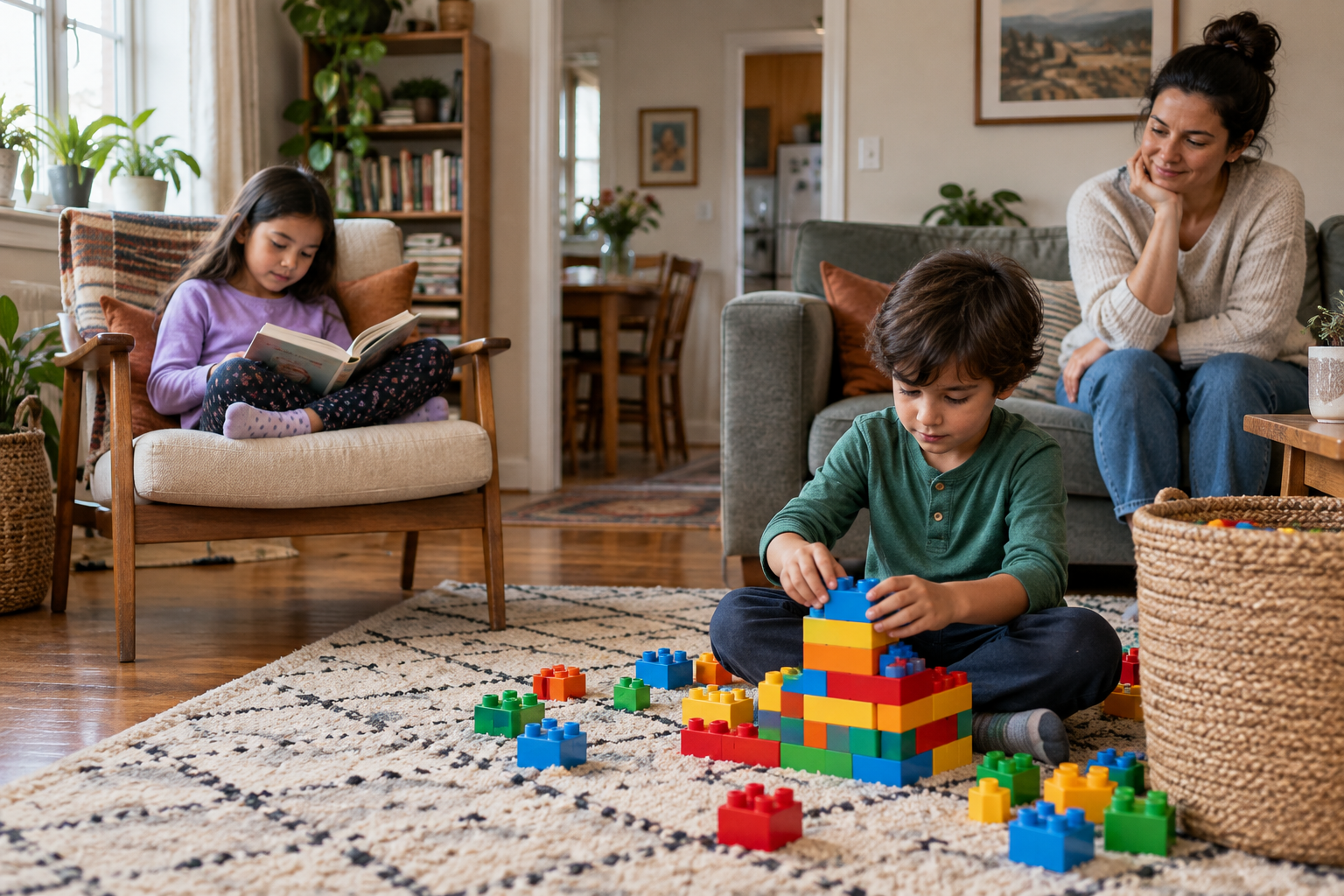
A pause space in a shared room should not leave siblings wondering where they belong.
Before preparing JenneTastic, check that everyone can reach the belongings they are likely to need. A child should not have to squeeze past the opening to get their school bag or ask someone to move every time they want a game from the shelf.
Tell siblings what will be available to them while the tent is in use. Be specific:
“You can build at the table. We’ll keep this opening clear.”
That is easier to follow than a general instruction to “be good” or “leave your brother alone.”
Curiosity is understandable. A sibling may want to look inside, bring over a toy or invite the child into a game. The adult can handle those interruptions:
“She’s having her pause now. You can show her when she’s finished.”
Do not make the child using the tent responsible for enforcing the household arrangement. They should not have to argue about access or persuade a sibling to move away from the opening.
If more than one child wants to use JenneTastic, check the product instructions and arrange access yourself. Explain what is possible without presenting the tent as a prize for good behaviour. An older sibling can help respect the space, but the responsibility for supervision remains with an adult.
When the tent is packed away, the room returns to its other uses. Children can understand that change more easily when they know what is happening: “I’m putting JenneTastic away now so we have room for our next activity.”
Who Is Supervising?
In a busy home, two adults can each assume the other is watching. Avoid that uncertainty by naming who is responsible before the child uses the tent.
“I’m staying here with her while you make dinner.”
If the supervising adult needs to leave, arrange a clear handover. Ask the other adult to take over and wait until they have done so. Calling from another room is not the same as confirming that someone is now available.
Interruptions will happen. A delivery arrives, another child needs help or a pot needs attention. Plan around the predictable ones. Finish a task that needs close attention before offering the tent, or choose a time when another adult can handle it.
When only one adult is home, availability may be more limited. You might have time to supervise during a quiet weekend afternoon but be unable to do so while preparing dinner and helping another child.
That affects when you can offer JenneTastic. It does not require an elaborate explanation to your child:
“I can sit with you after I finish this.”
If you cannot provide constant adult supervision at that time, choose another arrangement for the moment.
Let Other Family Members Know the Household Plan
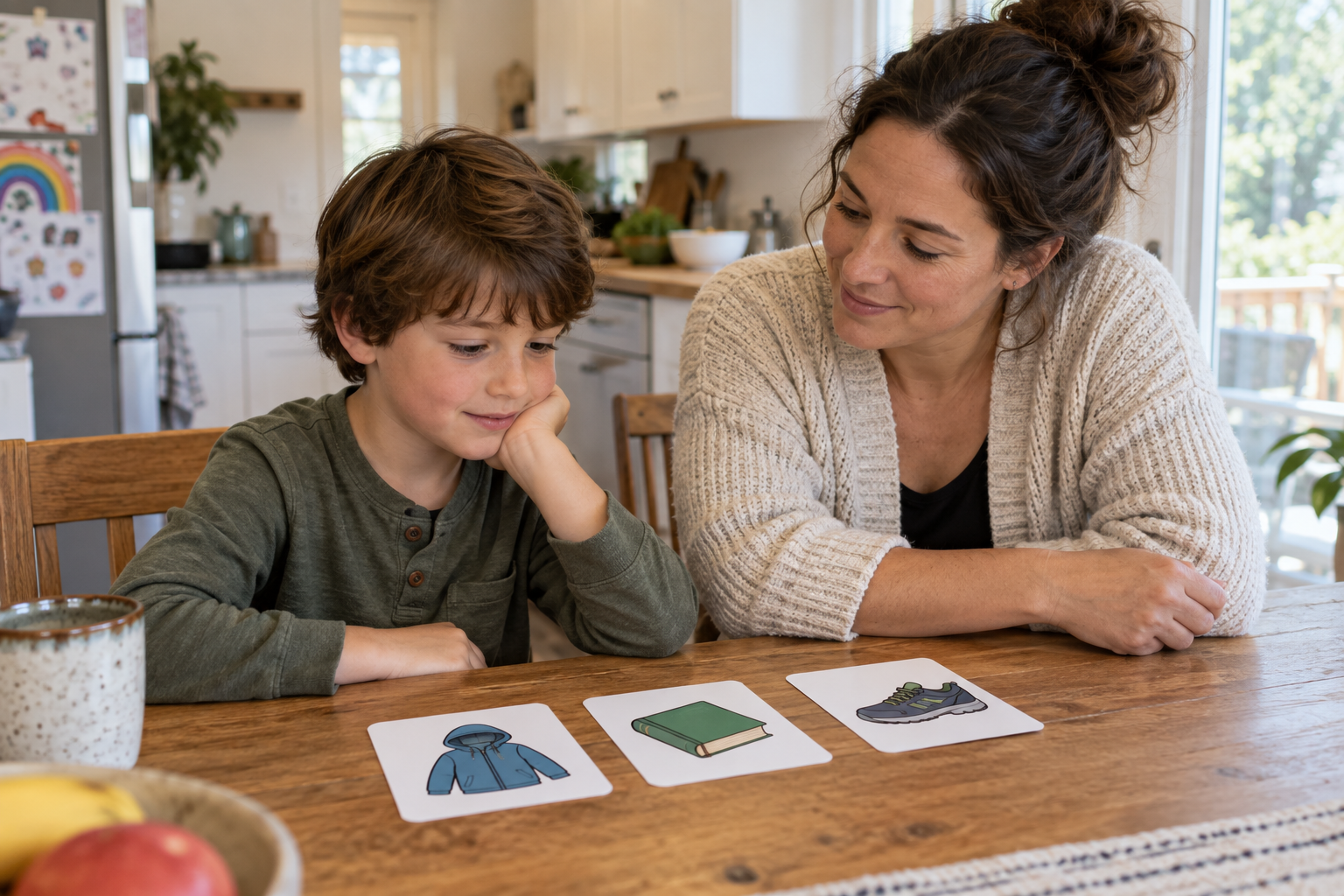
A grandparent, aunt, uncle, or even a babysitter may know your child well and still be unfamiliar with JenneTastic. Here is what you can do.
Show them where the kit and guide are kept. Go through the current instructions together before they use it, rather than leaving them to work out the setup during a busy afternoon.
Then explain the parts specific to your home:
When the tent is usually available.
Which room is used and what else happens there.
Where siblings can play while it is in use.
How your child asks for help or indicates they are finished.
What needs to happen before the kit is stored.
Keep the information practical. “We usually offer it on Saturday after lunch, when an adult can stay in the living room” gives a caregiver something they can follow.
Tell them about changes too. If a new furniture arrangement means the previous location no longer works, make that clear before they prepare the tent.
The caregiver should also know that your child can decline. Having the kit ready does not create an obligation to use it.
Give Packing Away Its Own Time
JenneTastic comes with a manual pump, carrying bag and a guide. Keeping the components together avoids a search for the pump when you are ready to prepare the space.
Choose somewhere adults can retrieve the kit easily, following the storage instructions. Keep the guide with it so another caregiver does not have to rely on remembered steps.
Work through setup before the first afternoon when you intend to offer it. That gives you time to become familiar with the instructions and the inspection required before use. An adult operates the pump.
Packing away belongs in the plan too. Allow time for the cleaning, drying and storage steps specified in the guide. Do not schedule the next use of the room so closely that you have to rush those steps.
For example, if the living room will be needed for a family activity later, prepare the tent at a time that leaves room for care and packing afterwards. If that cannot be managed comfortably, another day may be more suitable.
Follow the instructions rather than improvising ways to make setup or storage faster. A portable product still needs proper care each time it is used.
Keep Pauses Separate From Household Bargaining
Families have plenty of necessary conversations about homework, chores and getting ready to leave. Keep the meaning of the pause space clear within those conversations.
Avoid making JenneTastic something your child must earn by completing a task. Equally, do not send them into it because you are unhappy with their behaviour.
If homework needs to be done, explain the homework plan. If there is an appointment, explain the departure time. Those commitments can remain clear without turning the tent into a reward or consequence.
Timing matters here. Preparing JenneTastic just before the family must leave can create an avoidable conflict. Check the schedule before offering it, and tell your child what the afternoon holds.
There will also be days when an existing arrangement cannot happen. Say so directly. A change in a parent’s work hours, a sibling’s appointment or a household repair may affect the room or adult availability.
You can offer another suitable option without describing the change as something the child caused.
The Essential Use Instructions
JenneTastic is recommended for children aged three and older, with constant adult supervision. It is intended for temporary indoor use while awake, not sleep or active play.
Keep the entrance and exit unobstructed. Never prevent a child from leaving, and never use the tent as punishment.
Read the current FAQ and user guide for the complete placement, setup, inspection, cleaning and storage instructions.
JenneTastic offers a defined space for a voluntary pause. It is not a treatment and does not guarantee a particular response.
A Home Routine You Can Maintain
A workable arrangement has a few clear parts: an appropriate location, an available adult, room for siblings to continue their activities and time to care for the kit afterwards.
Start with a day when those parts fit together. If Tuesdays work and Thursdays do not, make Tuesday the plan. You can change it when your household changes.
Explore the JenneTastic kit and ordering options to see whether a portable pause space would fit your home.